


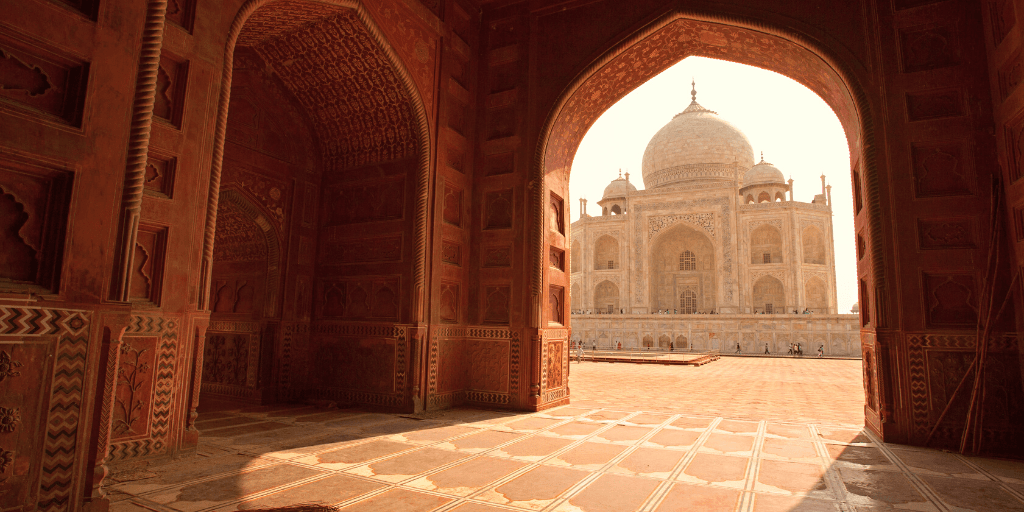
The history of the Taj Mahal dates back to 1631, the year when its construction began in Agra, India, and continued until 1654. Often considered a palace by many, the Taj Mahal was originally a mausoleum built by the Muslim emperor Shah Jahan in honor of his third wife, Mumtaz Mahal.
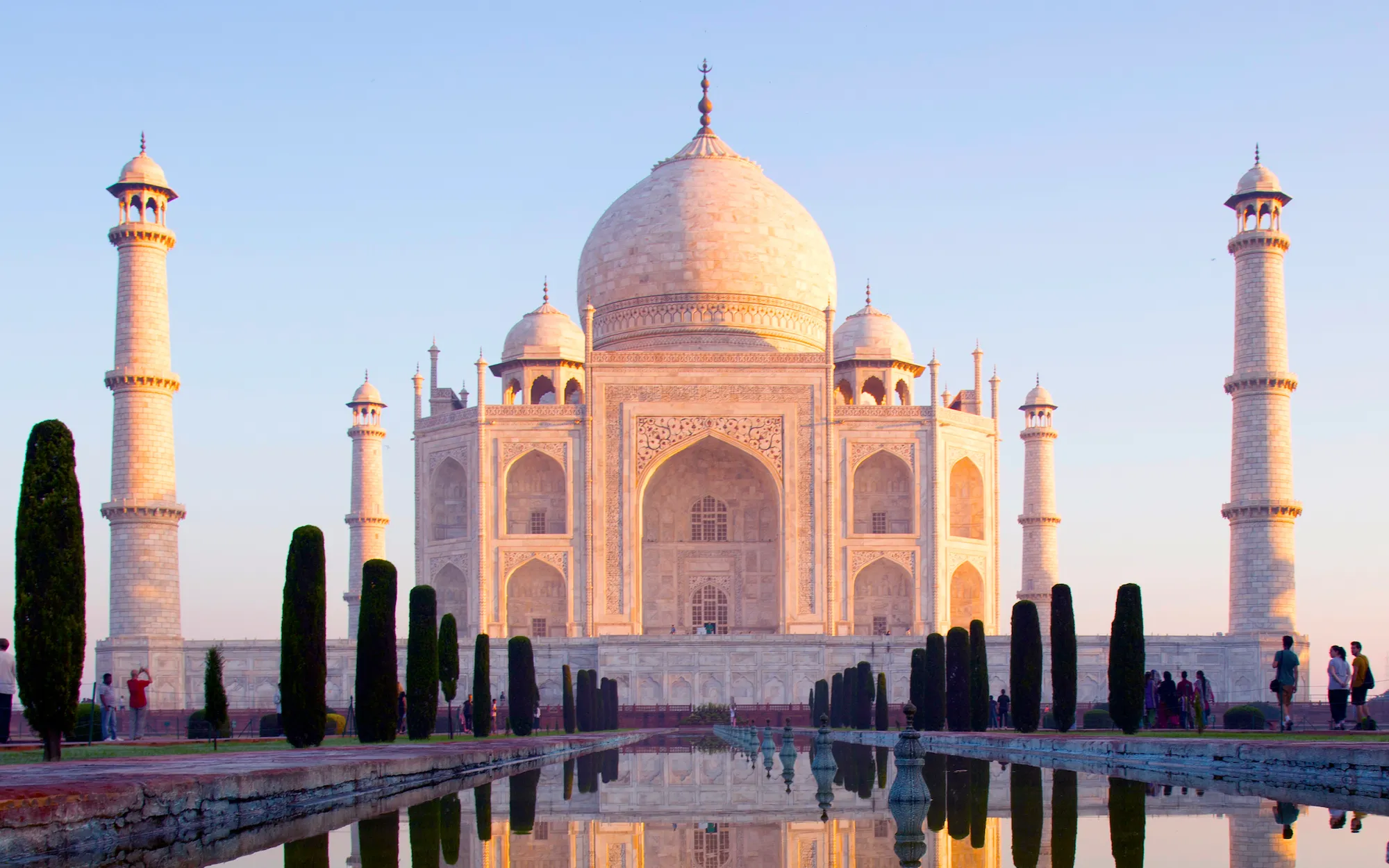
Arjumand Banu Begum, better known as Mumtaz Mahal, came from a noble Persian family and was born in the city of Agra, where the mausoleum is located.
Shah Jahan and Arjumand Banu Begum married when she was 19, and they loved each other from the moment they first met. Upon making her his wife, Jahan gave her the title of Mumtaz Mahal, which means “the chosen one of the palace.”
The empress was not Jahan’s only wife, as it was customary in Muslim culture for the patriarch to have a harem. However, Mumtaz Mahal was his favorite.
Jahan’s beloved wife was also his advisor and accompanied him on all his expeditions, as the emperor could not bear the thought of being separated from her.
Together, they had thirteen children, and Mumtaz Mahal became pregnant for the fourteenth time. While pregnant, the empress accompanied her husband on a military expedition to the Deccan to suppress a rebellion. But when the time came for the birth, Mumtaz Mahal did not survive and passed away.
Just before dying, she asked her husband to build a mausoleum where she could rest for eternity. Shah Jahan, overwhelmed by grief, decided to fulfill this promise and, from then on, lived immersed in the memory of his beloved.


What do you think?
Show comments / Leave a comment