


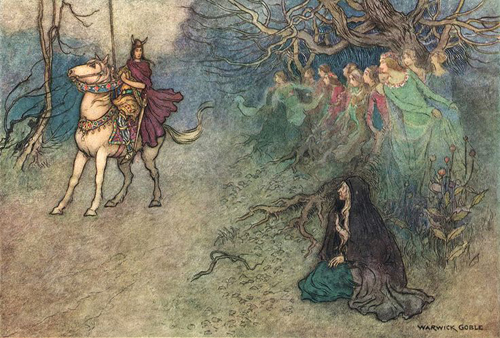
In The Wife of Bath’s Tale by Geoffrey Chaucer, a timeless question is explored: What do women most desire? While the tale presents various superficial answers—wealth, pleasure, beauty, and sexual satisfaction—it ultimately reveals a deeper truth: women desire sovereignty, equality, respect, and independence in both relationships and society.
Challenging Misogyny and Stereotypes
The knight receives many responses: “Some said that women wanted wealth and treasure, ‘Honor,’ some said, ‘Jollity and pleasure,’ some said, ‘Gorgeous clothes,’ and some clothes ‘Fun in bed.’” (Chaucer, 1392, p. 301). These answers reflect enduring stereotypes that portray women as superficial and self-interested. Such misogynistic ideas continue to limit women’s freedom to express their desires, pursue goals, and celebrate achievements without being undervalued.
Women have worked to dismantle these outdated views, proving that their aspirations are just as profound and meaningful as men’s. Their desires are not defined by men, nor should they be built upon male validation. Instead, women seek autonomy, self-determination, and the right to be heard and respected.
Sovereignty as Mutual Respect
When the old woman tells the knight, “A woman wants self-same sovereignty” (Chaucer, 1392, p. 304), it may seem like a call for dominance. But in truth, it represents the desire for mutual respect, shared decision-making, and equality in relationships. Women want the freedom to express opinions and make choices without fear or suppression. They want to be valued for their thoughts, not just their appearance.
This idea of sovereignty is not about control—it’s about balance, trust, and equal responsibility. It aligns with the broader desire for respect, where a woman’s voice matters, her interests are considered, and her worth is recognized beyond superficial traits.
A Message of Empowerment
Chaucer’s tale delivers a powerful message: what women truly desire is not dominance, but empowerment—the right to shape their lives and relationships with dignity and equality. The old woman’s answer reflects a universal longing to be valued, heard, and respected. In today’s world, this message remains relevant, encouraging the pursuit of gender equality and the rejection of limiting stereotypes.


What do you think?
Show comments / Leave a comment