


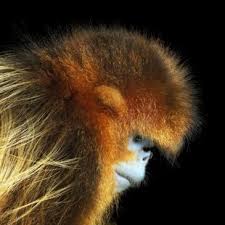
Axolotl
The axolotl, as it is also known, can regrow damaged or severed limbs, bones, and organs. They are a thousand times more resistant to cancer than mammals. If they survive modern threats long enough for us to understand their immune cells, we could make tremendous advances in numerous medical therapies. Native to Mexico, today only a fraction of this aquatic system remains, and their habitat is being polluted by fertilizers, pesticides, feces, and garbage in their hometown. Here New research reveals how axolotls regenerate their limbs: why the finding is key for humans.
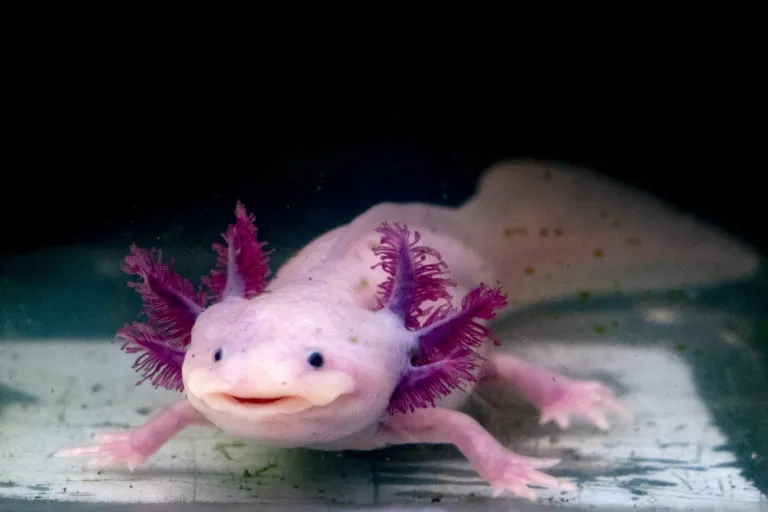
Polar Bears
The thirteen winters following the year 2003 brought the thirteen smallest satellite-recorded sea ice extensions. Polar bears depend on the ice to hunt their prey. They pounce on seals when they emerge through their breathing holes and stalk them while they sunbathe in the open, but the ice is melting as our climate warms. Due to the scarce amounts of hunting, polar bears lose around 7 kg of fat for every passing week.
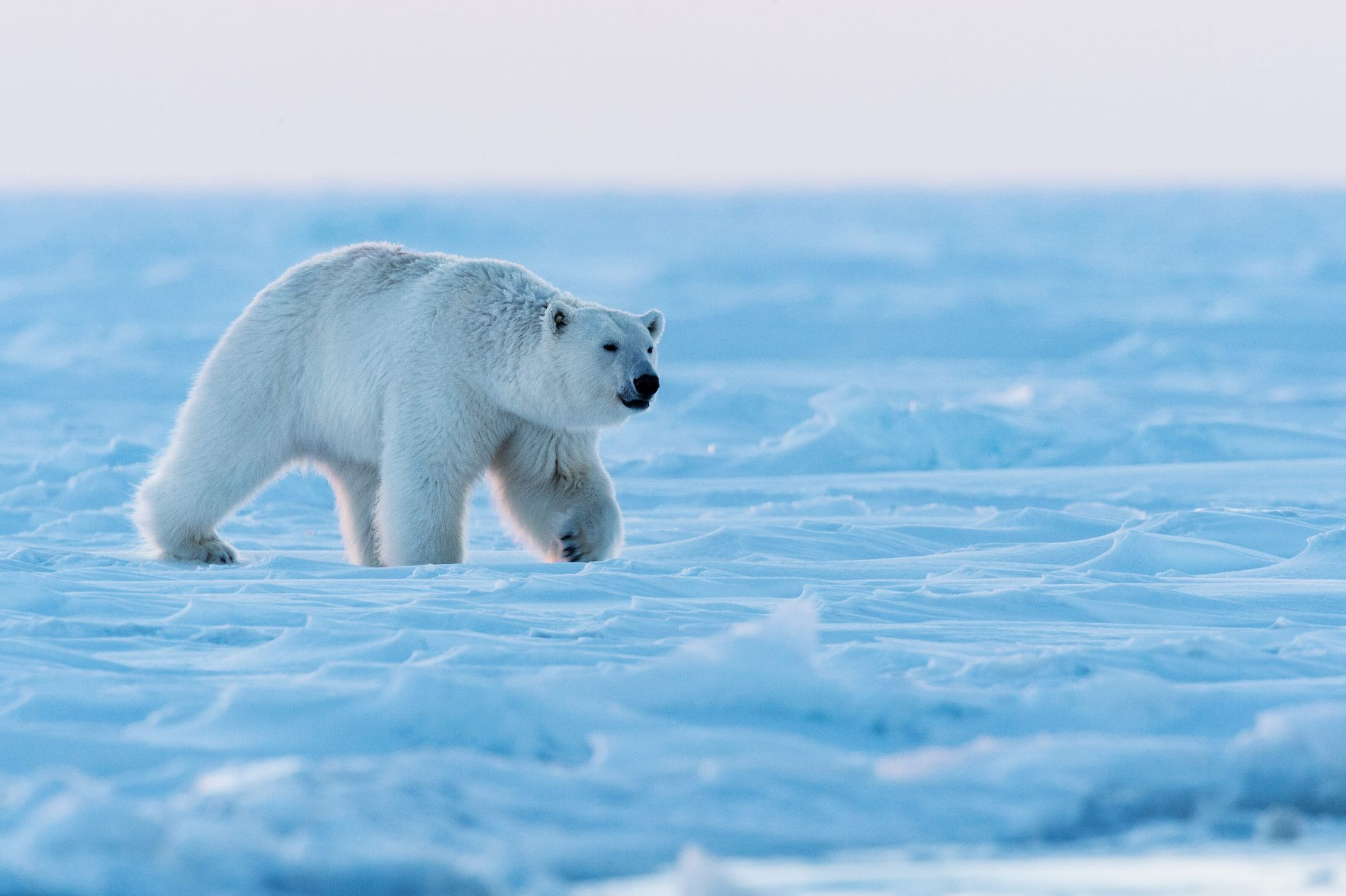
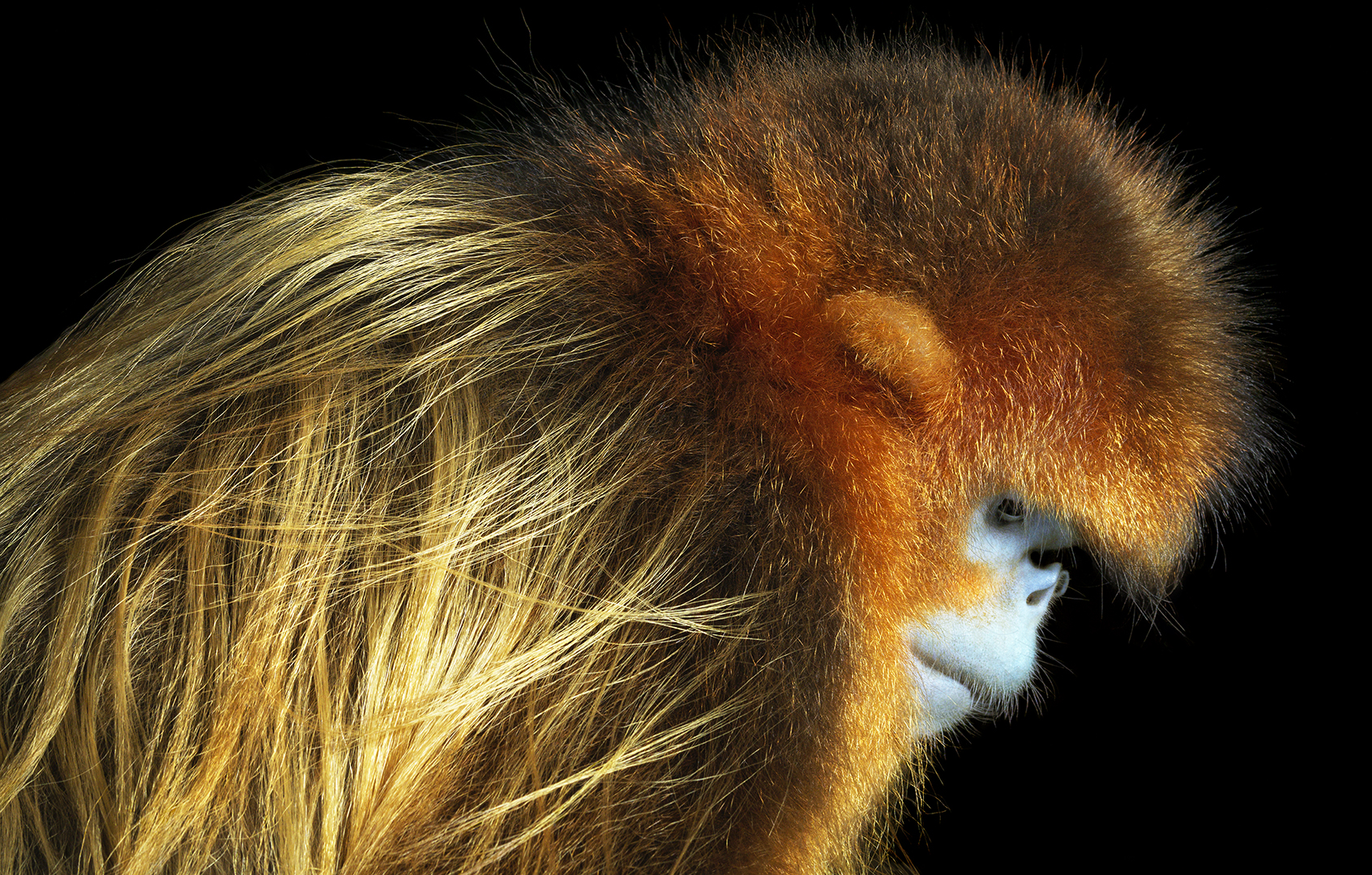
Golden Snub-Nosed Monkey
Located along the mountains of central China, the golden snub-nosed monkey endures some of the harshest winters that any non-human primate can withstand. Its long, soft coat of hair protects it from the icy winds while its bare face bears the brunt of the cold. Despite current government protection, their numbers have continued to decline as their forests were cleared for timber and the creation of farmland. Furthermore, tourism has expanded under the umbrella of China’s economic growth, and the monkey troops have been heavily harassed and pursued for viewing. Only around 120 individuals of this species currently survive in the wild. Here 10 tips for animal protection.
Caring for endangered species is not an act of charity, it is an act of intelligent survival. It is recognizing that their fate and ours are inextricably linked. Saving them is saving ourselves.
The time to act is now. The future of thousands of wonderful lives depends on the choice we make today: will we be the generation that allowed the song of life to fade, or will we be the guardians who restored harmony? Look out this post to know about other problems in Earth. Global Warming.
Another interestig post: Ancient Legends of Lake San Pablo (Imbabura): Discover the origin of Nina Paccha and the mermaid that guards its waters.


What do you think?
Show comments / Leave a comment