


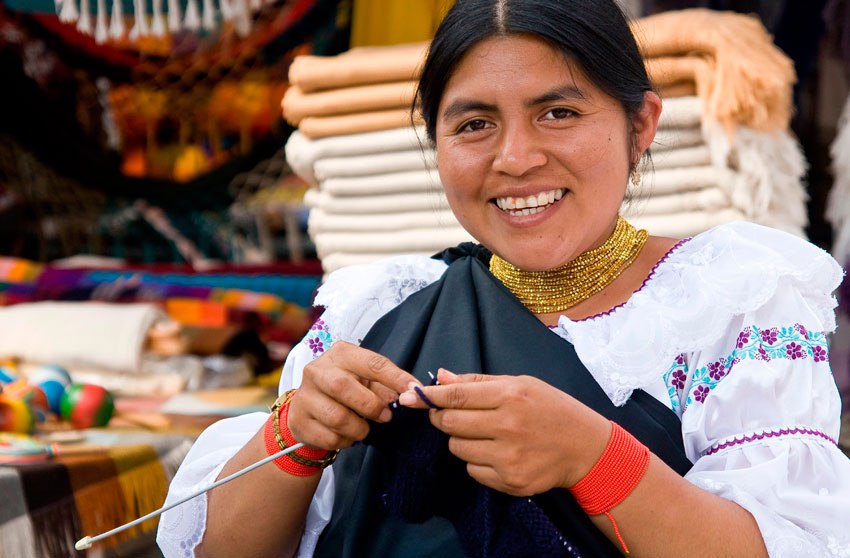
Zumag Cacuango is 23 years old and already a mother of four. Her life in Natabuela, Ecuador, is peaceful and relaxing: “People here are very kind, and we don’t experience racism because we are a close-knit community and we all share the same roots.” When I asked if she had ever been to the city of Ibarra, she replied, “I’ve been there, but only a few times. I barely remember it because I was very young.” She also says she would not trade the tranquility of rural life for the frantic rhythm of the city.
Zumag lives with her two sisters in the same house, and all three are married with at least two children. Although she enjoys her daily life, she admits that things are not always easy: “Life in the countryside is not easy. Sure, it’s calm and things don’t move as fast, but the work is hard and you don’t rely on a fixed income. For us, there are no weekends to rest. We have to go out every day to earn a living, to support our children, and that can be very hard—not only because of the uncertainty, but also because you have to put in much more effort than in other places.”
Zumag’s parents live in a community more than two hours away by car, and public transportation is limited. Because of this, she now visits them only once a month.
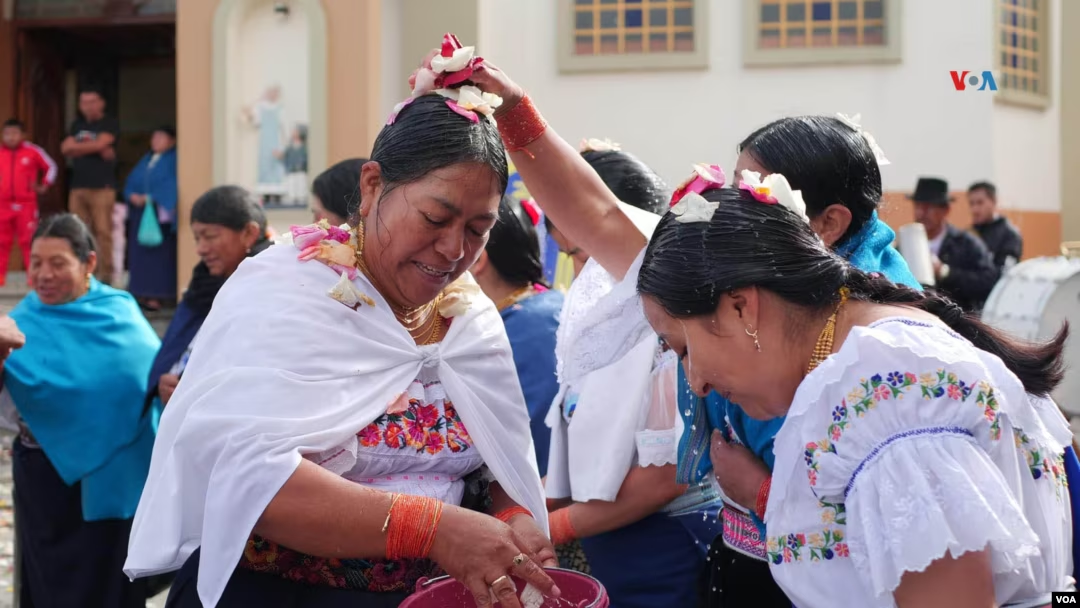
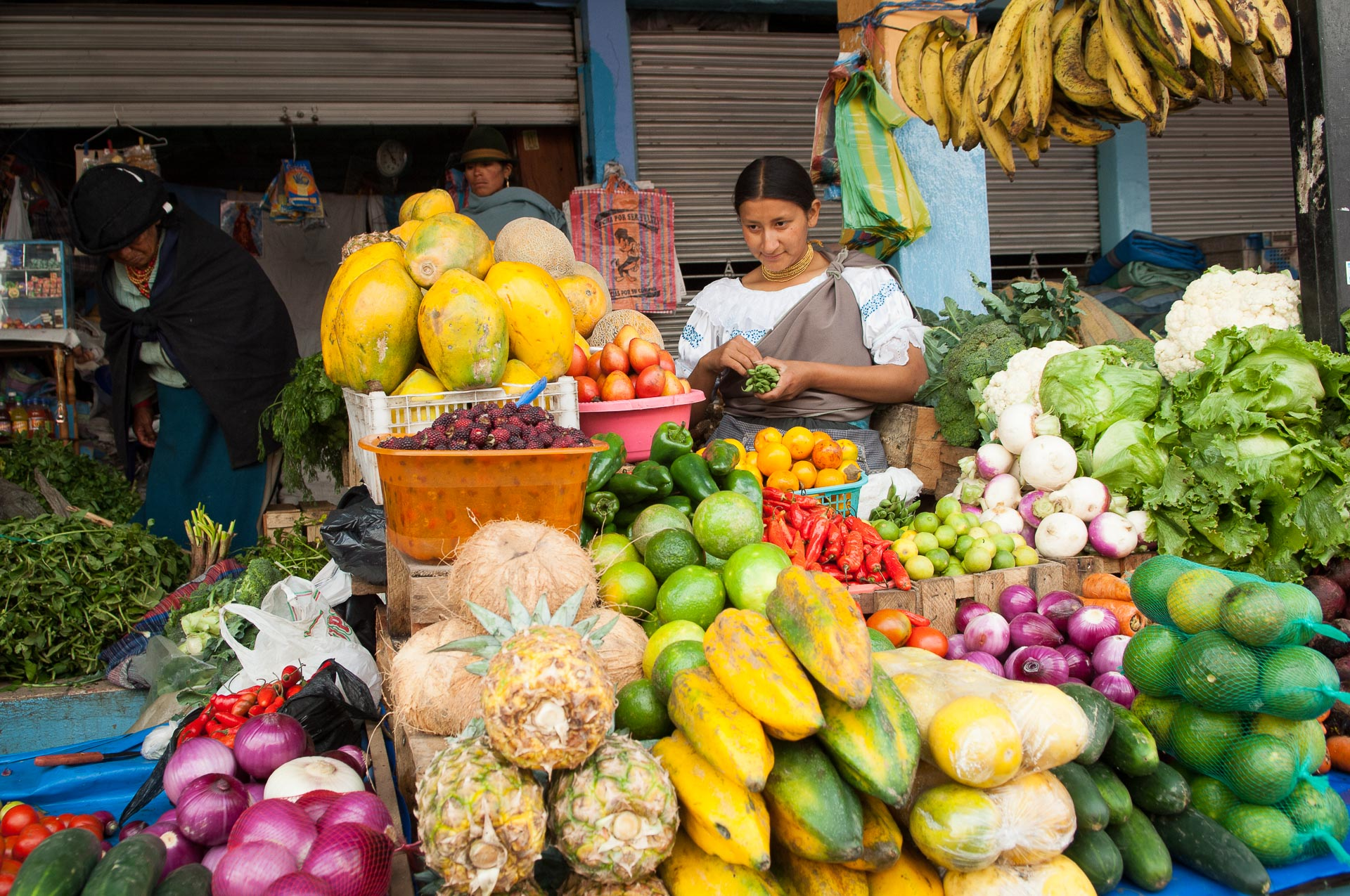
At 45, her parents work at their local market every day. Zumag has followed the same path, with long and tireless workdays: “I have to wake up before dawn. I work every day from 5 in the morning until 2 in the afternoon. I come home to cook lunch for my children and then, if I haven’t made the money I expected, I go back to the market until 6 p.m.”
Throughout the entire interview, Zumag was cheerful and willing to talk. However, she says that “life doesn’t always smile at her.” Being an Indigenous, poor woman in Ecuador—as in most Latin American countries—is difficult. Racism is not only still present but has intensified since the October strike: “Within our community, we accept each other as we are. Unfortunately, I no longer speak Kichwa; I never learned. My parents didn’t want to teach us because they wanted us to speak Spanish above all. There is a lot of self-rejection. And now, with everything that happened during the strike, the hatred against us has become more visible. Personally, nothing has happened to me, but my sisters, who have had to go to the city of Ibarra, have been mistreated and discriminated against—even by Indigenous people themselves.”
If you’re interested in cartoons, you can visit this article: click here
You can also find topics related to personal problems if you want to feel identified: click here


Pingback: Alvin and the Chipmunks – Blog de prácticas PUCE