


A journey from ancient times to the present day
The birth of cacao in ancient civilizations
The origin of chocolate can be traced back to Mesoamerica, a region that today includes southern Mexico and parts of Central America. Over 3,000 years ago, the Olmecs were the first to discover the properties of cacao. They learned to ferment the beans, dry them, and grind them to prepare a thick and quite bitter drink. At that time, cacao was not only a food but also a sacred element, connected to nature and the divine.
Later, the Mayans inherited this knowledge and perfected it, making cacao an essential part of their culture. For them, chocolate was a special drink consumed during religious ceremonies, marriages, and important celebrations. They believed cacao was connected to the gods and the energy of life. Additionally, drinking chocolate was considered a privilege, as not everyone had access to it. It was also used in offerings to the gods and in funeral rituals.
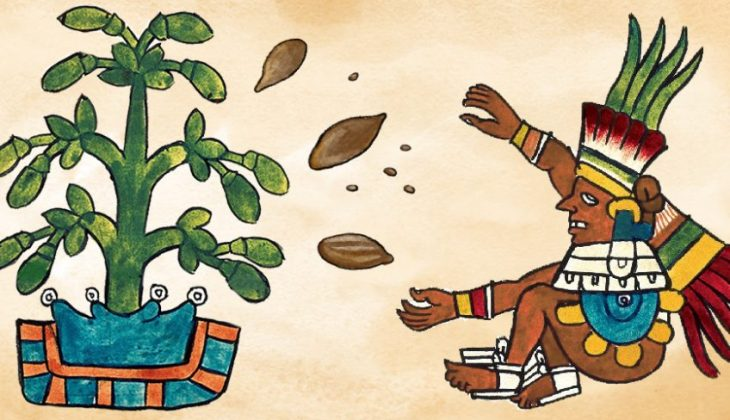
Later on, the Aztecs took its value to another level. For them, cacao beans were so important that they were used as currency to buy food, pay taxes, and trade goods, demonstrating their enormous economic value. The Aztecs also believed that the god Quetzalcoatl had gifted cacao to humans, giving its consumption a strong spiritual significance. The emperor, priests, and warriors consumed it the most, especially before battles, as it was believed to provide strength, energy, and endurance.
The Arrival of Chocolate in Europe
Chocolate arrived in Europe in the 16th century thanks to the Spanish conquerors, particularly Hernán Cortés. At first, Europeans were hesitant to accept the drink because they did not like its bitter taste. However, they began modifying the recipe by adding sugar, milk, and cinnamon. In this way, chocolate started to transform into a sweet drink. For many years, chocolate remained an exclusive product for royalty, nobles, and the wealthy, as its production was expensive and the cacao came from the Americas.
The Transformation of Chocolate
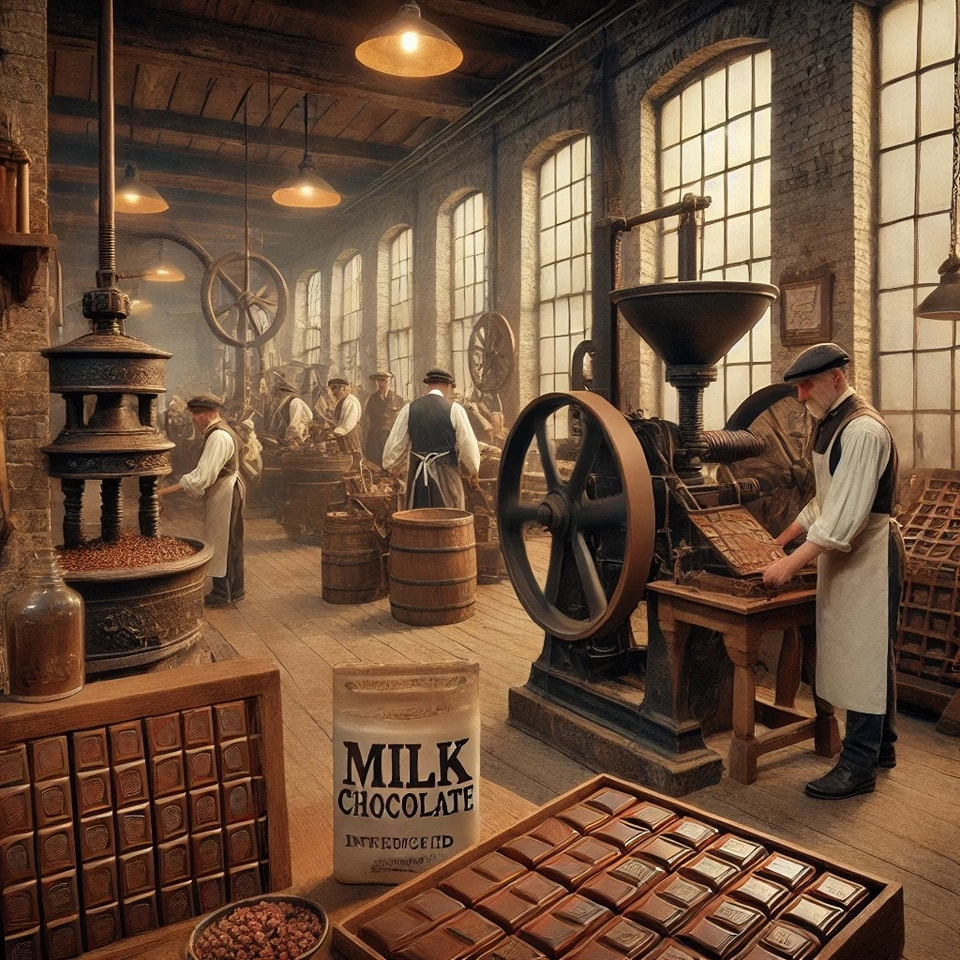
In the 19th century, one of the most important changes in chocolate’s history occurred: the Industrial Revolution allowed its mass production. In 1828, a machine was invented that separated cocoa butter from the powder, making it easier to produce solid chocolate. Shortly after, the first chocolate bars were created. Thanks to these advances, chocolate stopped being a luxury only for the rich and became an accessible food for many people, spreading rapidly around the world.
Cacao and Its Impact in the Modern World
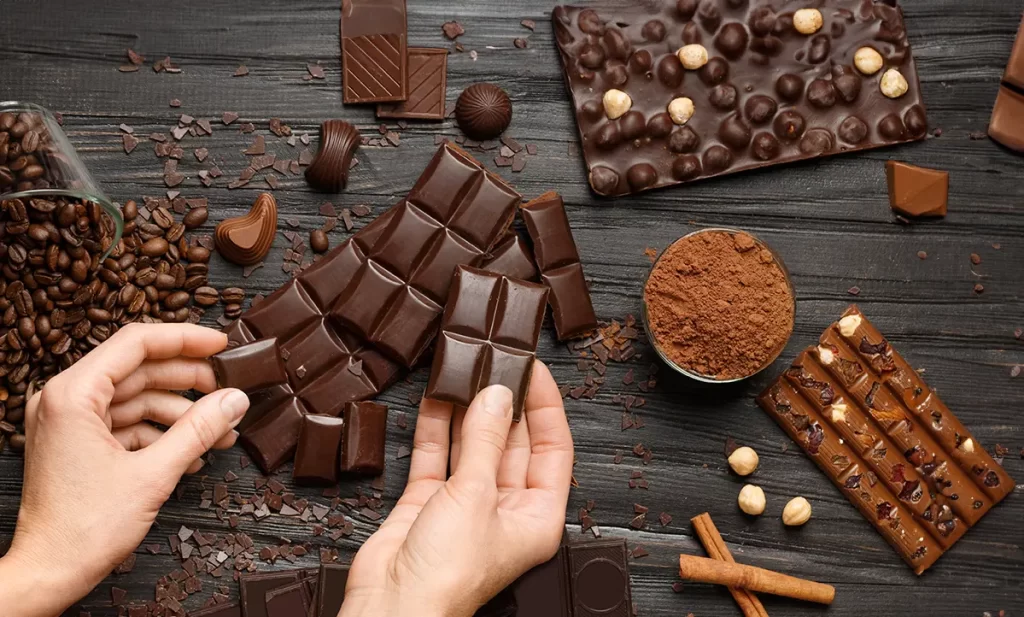
Currently, cacao is cultivated in tropical countries such as Ivory Coast, Ghana, Brazil, and Ecuador. Many families depend on its cultivation, making it a very important product for the economy. Today, chocolate is present in almost every culture in the world. It’s consumed in drinks, desserts, cakes, sweets, and pastries, as its sweet flavor makes it one of the most widely used ingredients in cooking. That’s why, on special occasions like Christmas, chocolate, along with other ingredients, is often part of the dessert, the best part of the Christmas dinner, and many other celebrations. It’s also a symbol of love and gifts. Furthermore, some studies have shown that dark chocolate, when consumed in moderation, can provide antioxidants, aid circulation, and improve mood. For this reason, chocolate is not only seen as a sweet treat but also as a food with some health benefits.


Pingback: Recipe for Making a Lemon Cheesecake – PUCE's learning blog
Pingback: The dessert! The best part of your Christmas dinner – PUCE's learning blog