


Introduction: An Era of Radical Change
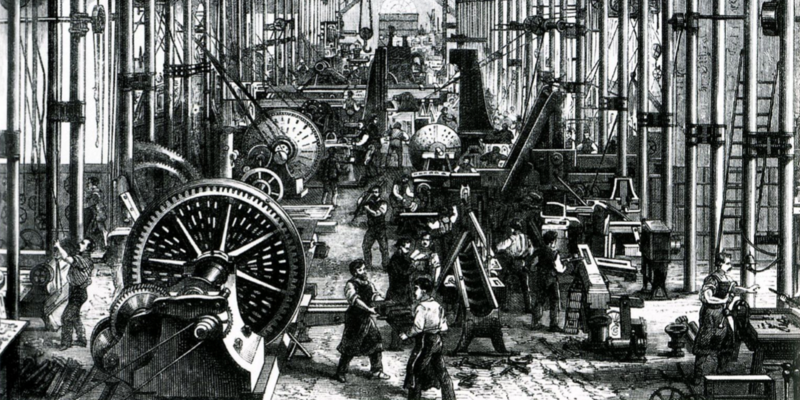
The 19th century marked a turning point in history. The Industrial Revolution transformed daily life through advances such as the steam engine, the telegraph, the mechanical loom, and the cotton gin. However, this progress brought social and labor consequences that deeply affected individuals from the 19th century.
Technological Innovations and Their Influence on Society
Steam Engine and Mass Production
The invention of the steam engine revolutionized industry, increasing production and reducing costs. But it also created dependency on factories and endless workdays.
The Telegraph and Global Communication
The telegraph enabled faster communication, connecting cities and countries. This advancement accelerated trade and politics but also consolidated bourgeois power.
Mechanical Loom and the Textile Industry
The mechanical loom boosted textile production but caused unemployment among artisans and encouraged child labor exploitation.
Working Conditions during the Industrial Revolution
Labor Exploitation and Moral Decline
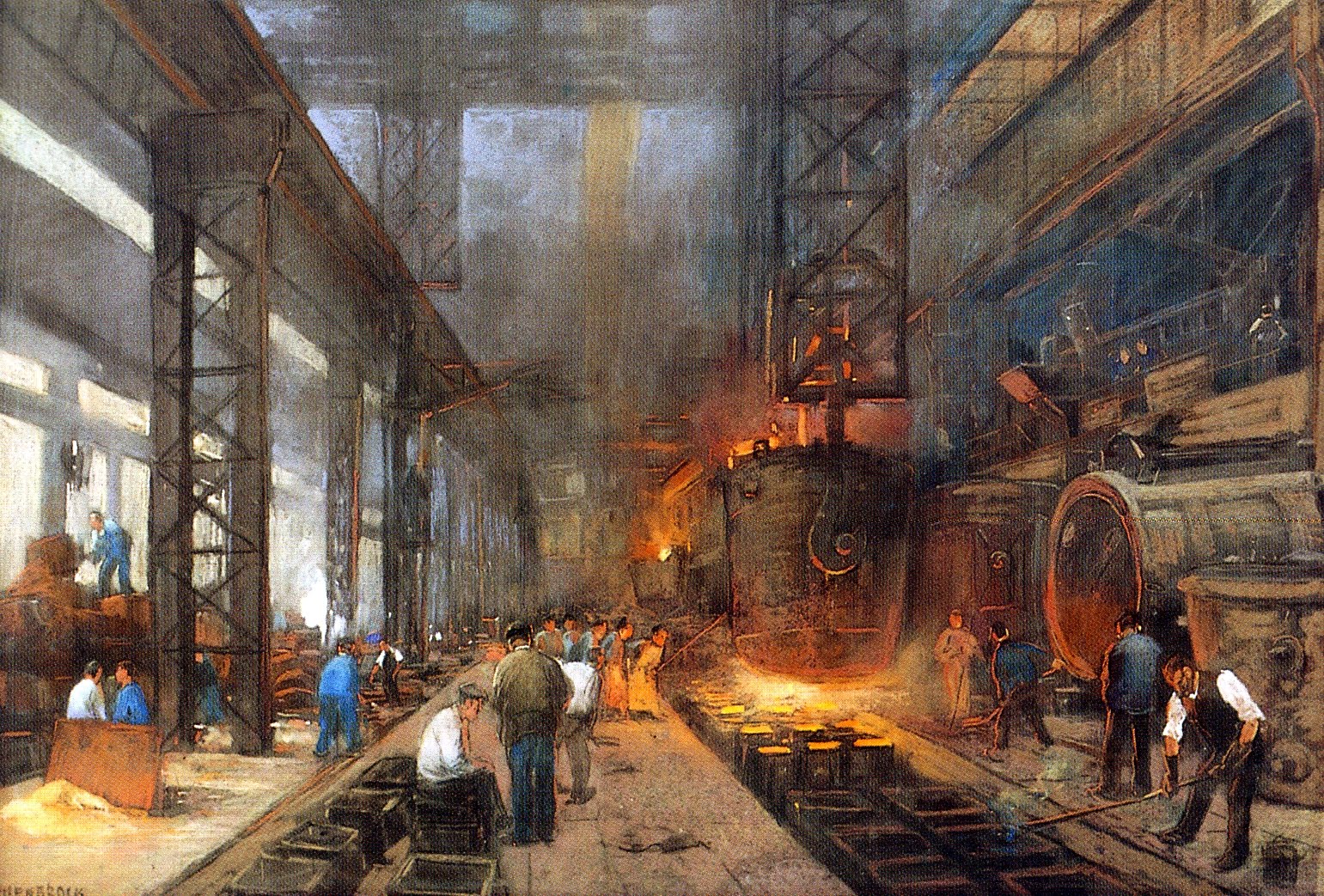
Industrial progress brought deplorable working conditions: long hours, low wages, and lack of rights. The working class of the 19th century experienced a deep moral and social decline, living under a monarchy instead of a democracy. This led to rulers who were not committed to the people’s well-being, while the bourgeoisie accumulated wealth and power, increasing inequality during the Industrial Revolution.
Child Labor and Inequality
Thousands of children were forced to work in factories, exposed to risks and diseases. Industrialization became a new form of slavery.
Workers’ Movements and the Fight for Rights
Luddism: Resistance Against Machines
Luddism emerged as a response to oppression. Workers destroyed machines to protest exploitation and demand better conditions.
The People’s Voice in Newspapers and Strikes
Publications like The Voice of Industry provided space for workers’ complaints, driving the fight for labor rights and social justice. Even today, spaces that give a voice to other communities and groups that have been marginalized remain just as important for building a better future.
Conclusion: A Call for Reflection
The history of the 19th century reminds us that technological progress must go hand in hand with equity. The Industrial Revolution not only changed the economy but also redefined society. Today, its legacy calls us to build a future where technology serves human well-being, not oppression.


What do you think?
Show comments / Leave a comment