




Lost in Translation (2004), directed by Sofia Coppola, is a cult film that explores intercultural communication, language barriers, and cultural shock through the story of Bob Harris (Bill Murray), a fading American actor, and Charlotte (Scarlett Johansson), a young married woman searching for meaning. Both meet in a luxury hotel in Tokyo, Japan, where they develop a deep emotional connection despite their cultural differences.
Language Barriers and Nonverbal Communication in Japan
The film highlights how nonverbal communication—gestures, smiles, tone of voice—can overcome language limitations. A key example occurs when Charlotte injures her foot and Bob takes her to the hospital. Without a translator or interpreter, Bob uses body language to communicate with the medical staff, ensuring Charlotte receives care. This moment reflects how empathy and the willingness to understand others can transcend language barriers.
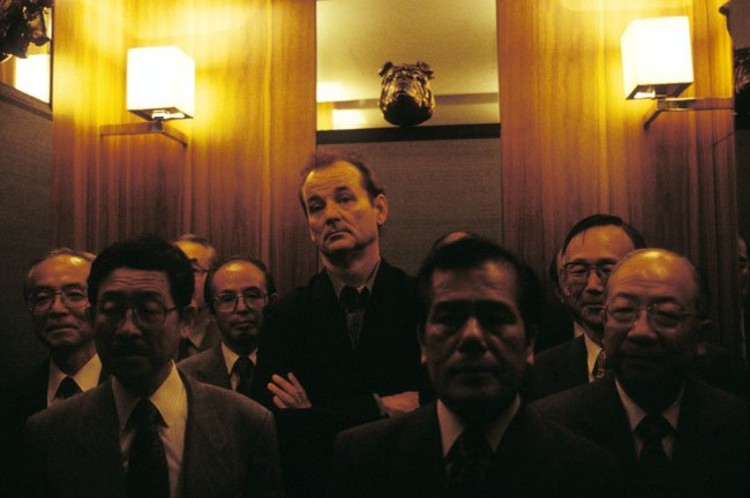
Human Connection Beyond Words
Another significant moment happens when Bob interacts with a Japanese patient in the waiting room. Although they cannot understand each other verbally, they share a pleasant moment by imitating gestures and intonation, proving that human relationships can flourish even in contexts of linguistic misunderstanding.
Cultural Shock and Japanese Business Etiquette
The film also addresses the Japanese worldview through its manners, customs, and business etiquette. When Bob arrives at the hotel, he is greeted with gifts and business cards—a common practice in Japan. Although he feels overwhelmed, he tries to adapt and remain respectful, showing the importance of cultural awareness.
During a photo shoot, Bob struggles to understand the Japanese team’s instructions. To facilitate communication, internationally recognized public figures are used as references, helping Bob grasp what is expected of him.

Diversity, Emotions, and Human Bonds
In conclusion, Lost in Translation portrays how cultural diversity influences human relationships. The film demonstrates that, despite linguistic and cultural differences, effective intercultural communication is possible when empathy, openness, and the desire to connect exist. As the final quote says: “Human beings are never alone, but they always feel lonely.” This cinematic work invites us to reflect on how we relate to others in a globalized world.


What do you think?
Show comments / Leave a comment