


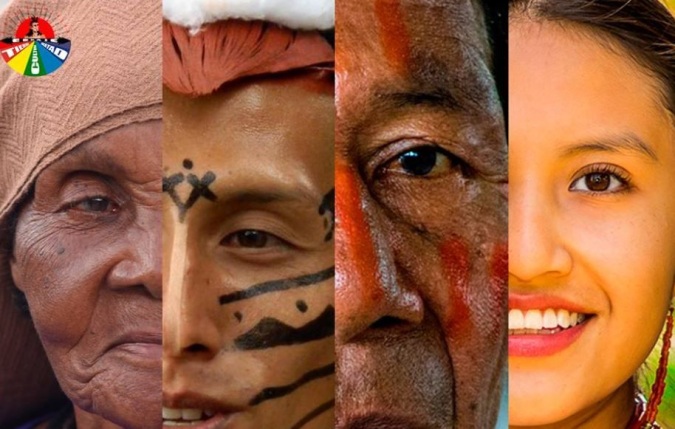
Ecuador is a country with unique linguistic wealth: alongside Spanish, there are 13 officially recognized indigenous languages that form a vital part of its cultural identity. However, there is currently no certification system for interpreters and translators, putting these languages at risk of disappearance.
The lack of official recognition limits access to essential services such as justice and healthcare for communities speaking native languages. Without proper training, interpretation errors can lead to serious consequences. Implementing a comprehensive language policy is crucial to promote interculturality, respect linguistic rights, and safeguard diversity.
Countries like Canada, New Zealand, and Colombia have successful international models for certification and remuneration, validating not only linguistic skills but also cultural, ethical, and legal knowledge.
This proposal aims to establish an integrated system that professionalizes linguistic mediators, strengthens indigenous peoples’ rights, and fosters a fairer society. Such a system would improve translation quality, ensure more just legal processes, and provide healthcare that respects indigenous worldviews.
Ultimately, recognizing indigenous languages as a national asset rather than a barrier is key to building an inclusive Ecuador. Implementing this policy will enhance visibility, recognition, and preservation of native languages.


What do you think?
Show comments / Leave a comment